
From Stage to Mortgages: Toronto Entrepreneur Plans Alternative Lending Fund for Northern Ontario
Theatre-trained investor aims to bring capital to underserved markets in Sudbury, North Bay, and beyondTORONTO An entrepreneur who comes from an unorthodox background believes he can find business opportunities in areas which traditional banking ins…
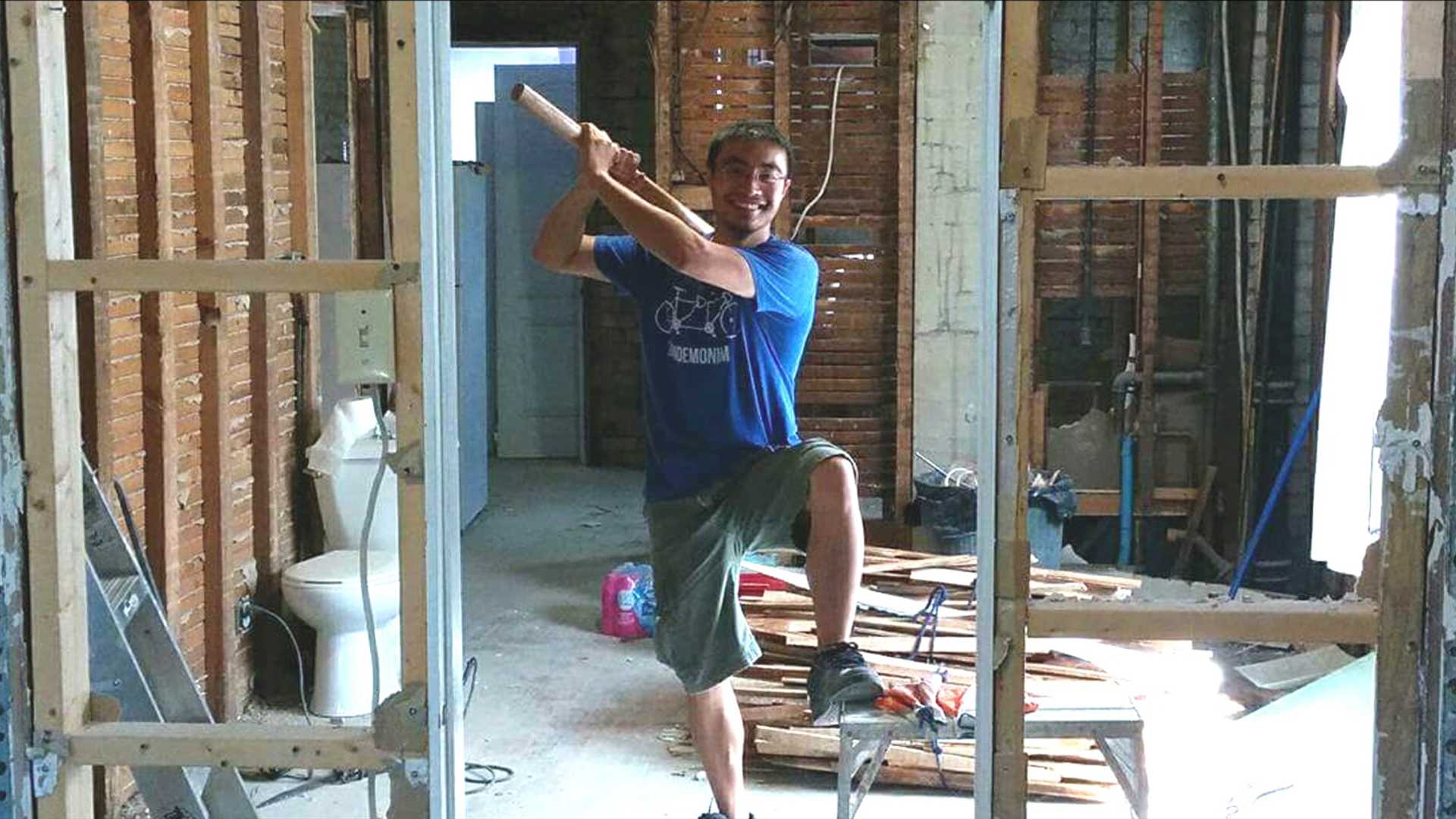
Theatre-trained investor aims to bring capital to underserved markets in Sudbury, North Bay, and beyondTORONTO
An entrepreneur who comes from an unorthodox background believes he can find business opportunities in areas which traditional banking institutions choose to exclude.Caine Chow who studied technical theatre before entering real estate investment will establish a mortgage investment corporation to serve second- and third-tier northern Ontario markets including Sudbury, North Bay, New Liskeard and the alike during the upcoming two to three years. These locations still face challenges when trying to obtain standard mortgage financing.Chow has been in the real estate industry since graduation in 2007 to combine capital from friends and family members for Ontario real estate deals. Chow manages private deals which overseas millions of dollars. In recent times, his investors are now seeking monthly cash earnings instead of capital gains."We want to expand our services to help more investors increase their income," Chow explained. "In the future, with the proceeds we acquire, we'd eventually like to give back to our community as well—particularly to the arts and culture industries and hospitals."The market approach of Chow's business model stands out because it targets areas which big institutions normally do not serve. Major lenders stay away from northern small communities because these areas generate insufficient financial gains to justify their investment expenses.But Chow sees this as his competitive advantage. As a property owner in the north with firsthand knowledge of these communities, he believes he understands how the local markets function in ways that Bay Street never will."Large corporations shy away because the profits may be too small for them, and it's not their specialty," he said. "The risk is also higher in secondary and tertiary markets due to instability and the unknown. However, I own properties in the north for some time now and have a good understanding of how people work up there."The standard borrower will be a real estate investor who needs funding for fixer-upper projects which many regular banking institutions refuse to fund. Take for example, a Sudbury fixer-upper property enters the market for purchase by an investor who has received loan denial from conventional lenders. The capital injection from Chow’s fund will support the acquisition of the property which enables the real estate investor to perform 12 months of renovations before securing a standard mortgage after finishing the construction work.The investment plan of Chow is expected to achieve 10% yearly returns which will be distributed to his investors through regular monthly payments. However, he's quick to note that nothing is guaranteed in any investment.The fund will use risk management through its implementation of protective lending methods which include setting loan-to-value ratios between 75% and 77% to prevent exceeding three-quarters of property assessment value. Should a default occur, the company will seize the real estate from the borrower and sell the property on the market."The most important thing is not to over-leverage," Chow emphasized. "If the market shifts, we still have equity in the properties to recoup our initial investment."The fund will maintain a healthy cash reserve. Redemption periods will be set to 12 months. The fund will operate with a special structure which Chow has established to gain investor trust. He will not receive any profits until all investors receive their share first. When the fund becomes larger and more established, returns may be lowered as the investment fund becomes safer. However, it is widely dependant on market fluctuations.The path which Chow took from theatre school to fund management follows an unusual course. His technical theatre program education in design and technology taught him skills which he applied to create branding solutions and technological systems for his business operations.His transition into real estate came through hard work and persistency. The organization wants to expand its operations which motivates the team to establish a regulated mortgage investment corporation. The fund will receive its initial funding through Chow's planned exit from his real estate investment which he plans to accomplish in the next few years.The first round of capital raise is projected to be $5 million worth. "This is the objective, whether or not that is achievable, we shall see," he said.The current timing of Chow's actions might lead to positive results. The lending standards of traditional financial institutions have become stricter because of regulatory requirements and economic instability which has created an increasing difference between loan applicants and funding providers. "Lenders have tightened up over the years, and yes, this creates more opportunities for us," Chow said.However, the mortgage investment corporation space in Ontario has faced challenges in recent years, with some MICs experiencing difficulties. Chow explains his method for loan management through strict loan-to-value ratio limits, requirement of cash reserves and thorough proper property appraisals will prevent these types of problems. He will create a team consisting of lawyers, accountants and advisors who have experience to ensure that the fund follows all MIC regulations.Investors need to be processed before acceptance into Chow's fund because the securities commission have specific criteria for fund participants. In his previous investments, the average amount investors invested was $100,000. However, the new fund will have a minimum of $5,000 and is open to anyone, but the company will perform complete evaluations of all investment candidates to establish their compatibility with the organization. "We vet our investors to see if they are a fit for our investment," he explained. "All candidates must meet these particular requirements which form the basis of the application process.”Chow took his actions because he wanted to create lasting financial success which would provide for his family across different generations. “Starting a business and working hard will hopefully accomplish that dream." He explains.The fund exists as a developing entity which will start its operations after the mentioned timeframe. The investment opportunity at Chow's venture enables investors to receive monthly returns as borrowers need access to alternative lending services which serve underbanked regions.
Caine MIC
+1 416-850-7976
www.cainechow.ca