TESMI Nigeria advances menstrual health reforms as stakeholders review girls' charter
TESMI Nigeria convened 20 education stakeholders in Lagos to review a Menstrual Justice Charter written by 50 schoolgirls, pressing for comprehensive menstrual health reforms in private secondary schools.
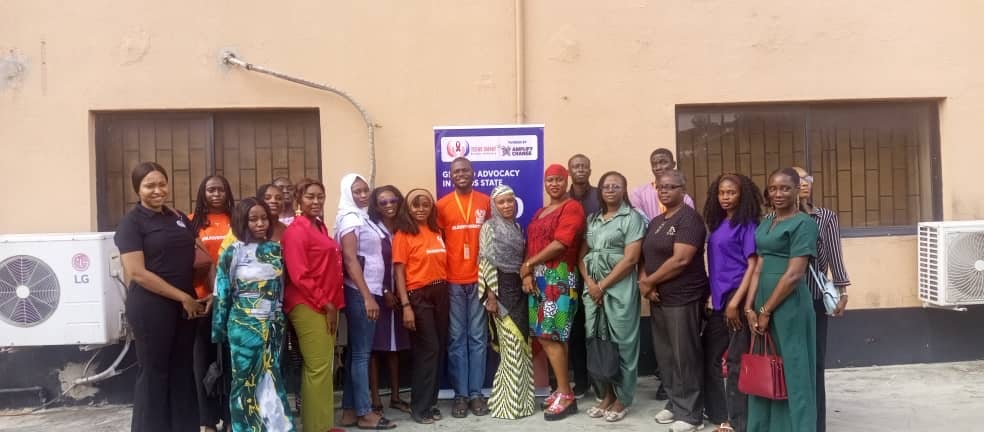
Stakeholders validate girl-led Menstrual Justice Charter in Lagos
TESMI Nigeria on Saturday, 31 October 2026, convened education stakeholders in Lagos to review and validate a Menstrual Justice Charter written entirely by adolescent schoolgirls, in a milestone step for its campaign to secure menstrual health policy reforms in Nigeria's private secondary schools.
The meeting brought together 20 stakeholders, including school leaders, parents, civil society organisations, mentors, environmental agency representatives and educators, to examine the Charter developed by 50 girls drawn from 13 private secondary schools in Lagos State at the organisation's One-Day Girls' Policy Forum.
Five of the girls attended the stakeholder meeting, where they presented and defended the Charter's recommendations before the reviewers themselves.
Charter grounded in survey findings
The Charter, which reflects the girls' own demands and aspirations, was informed by findings from the 2025 survey titled "The Strength of Our Blessing in Silence". It converts their lived experiences into concrete proposals for institutional change.
At the heart of the campaign, implemented under TESMI Nigeria's #BleedWithDignity project with support from AmplifyChange, is a call for private secondary schools to become environments where girls can manage menstruation comfortably, safely and with dignity, without embarrassment, discrimination or disruption to their learning.
The reform agenda the Charter advances is broad. It includes institutionalising practical menstrual health and hygiene standards within private schools; improving access to clean, functional and private toilets and changing facilities; strengthening access to the water, sanitation and hygiene facilities necessary for menstrual management; promoting affordable and accessible menstrual products; addressing menstrual stigma, bullying, discrimination and misinformation; and strengthening school accountability and leadership for menstrual health and dignity.
Emergency kits part of broader agenda
The Executive Director of TESMI Nigeria, Adeshina Oluwafemi, explained that the organisation is advocating for schools to put appropriate emergency provisions in place for girls who experience unexpected menstrual flow during school hours.
Emergency menstrual kits, he explained, are one practical recommendation among several, intended for genuinely unexpected situations. They are not a replacement for regular menstrual product provision, and the advocacy does not seek to transfer the entire responsibility for students' regular menstrual product needs to schools or to create additional financial burdens for parents.
The message was echoed in the meeting's discussions. Some stakeholders expressed concern that placing sole responsibility for menstrual products on schools could lead to increased school fees. The concerns were heard and recorded as part of a balanced review, alongside recommendations for expanding future research across more local government areas in Lagos State and for clearer community and school selection criteria in subsequent studies.
Participants also considered a proposal to establish a book club to promote peer education on menstrual health, including the participation of boys, as a way of addressing stigma at its source.
Implementation depends on multi-stakeholder collaboration
Beyond the meeting, TESMI Nigeria emphasised that implementation will depend on the involvement of parents, teachers, government ministries and other stakeholders, working with school proprietors and students to translate the girls' recommendations into school-level standards, improved facilities and stronger institutional practices and accountability.
The validation meeting marks a milestone in a process that began with the girls themselves: their words formed the Charter, their peers defended it, and the standards now move forward for adoption by the institutions that shape their school experience.
For TESMI Nigeria, the goal remains unchanged: a Lagos where no girl's education, confidence or dignity is compromised by menstruation, and where the systems that govern schools treat menstrual health as a matter of institutional responsibility rather than private silence.
About TESMI Nigeria
Teens Smart Builder Initiative (TESMI Nigeria, RC 8217610) is a Lagos-based organisation working with young people, with a focus on adolescent girls' health, education and dignity. #BleedWithDignity: Centering Girls' Voices for Menstrual Policy Reform in Lagos is implemented with support from AmplifyChange.
Media contact: [email protected] | +234 702 513 8462 | tesminigeria.org | @tesminigeria